
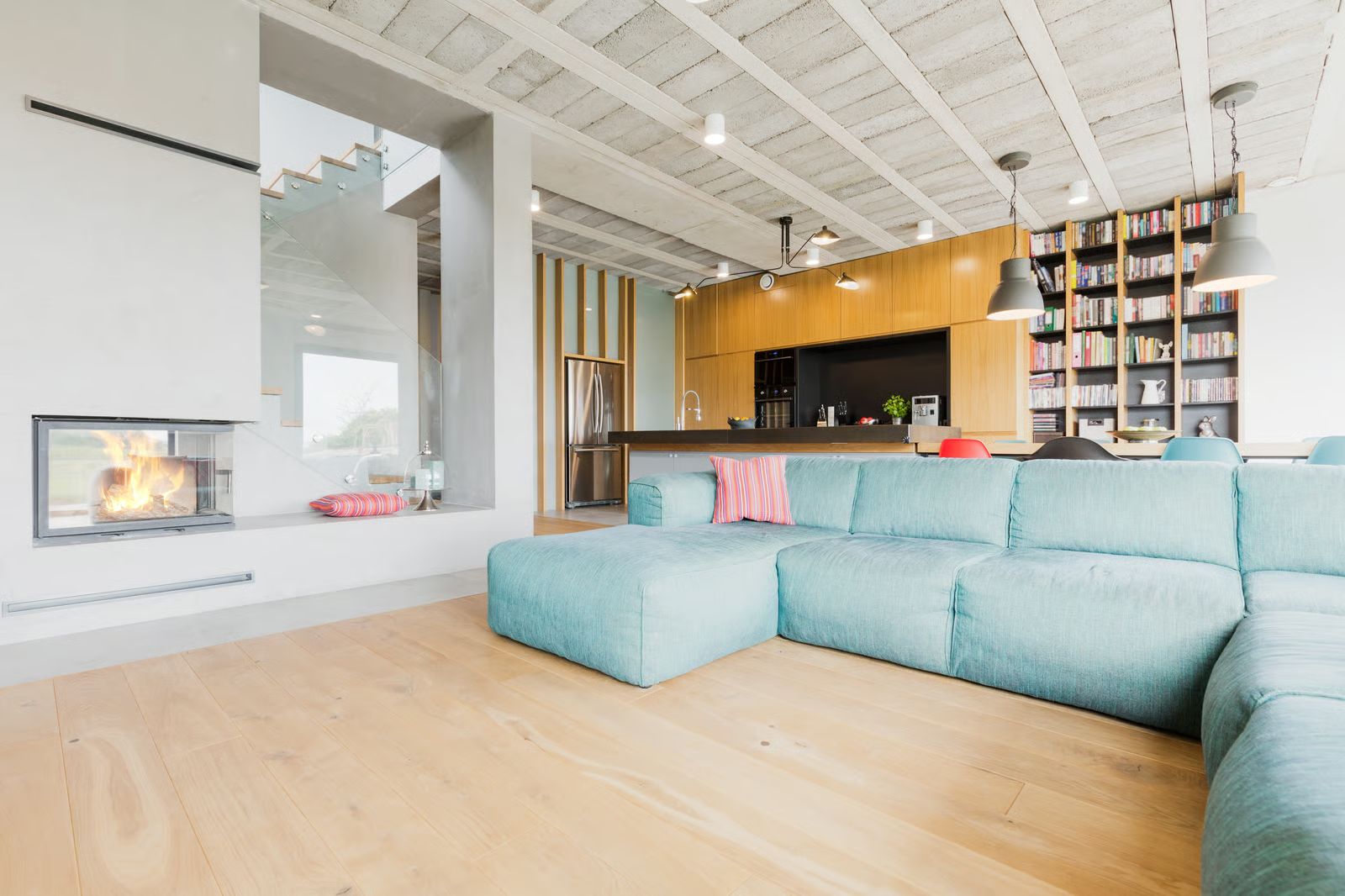
Choosing the right floor shade can change how a room feels, photographs, and ages. Timber flooring brings natural warmth, but colour decisions need more than a sample card. This guide explains light, undertone, finish, and sanding factors for Melbourne homes seeking a practical, lasting result with confidence.
Timber flooring colour basics
Colour should start with the boards, not with a trend image. Timber flooring has natural grain, mineral lines, knots, and undertones that influence every stain. Sherprise Flooring assesses board condition before recommending any colour direction for sanding and polishing work.
Start with natural light
Light changes colour more than most people expect. The floor can look honey-toned in afternoon sun and cooler under LED lighting at night. A north-facing Melbourne room may suit deeper tones, while darker corridors often benefit from lighter finishes.
Read the board species
Species choice affects how colour settles after sanding. Timber flooring in Blackbutt, Spotted Gum, Jarrah, pine, and Tasmanian Oak accepts stain differently. Dense hardwood may keep richer contrast, while softer boards can absorb colour faster across repaired sections.
Choose an undertone
Undertone controls the mood of each room. Timber flooring with yellow warmth supports classic interiors, while grey-brown tones suit modern cabinetry. The safest colour choice is the one that balances walls, furniture, light, and daily maintenance.
Match the room style
Interior style should narrow the colour range before samples are tested. Timber flooring in coastal homes often works well with blonde, beige, or soft natural tones. Heritage spaces can carry chestnut, walnut, or medium brown shades with more visual weight.
Small rooms need lift
Compact rooms need colour that supports space and movement. Floors in apartments, hallways, and bedrooms often feel brighter with pale oak or light satin finishes. Dark stains can look elegant, but they may close in rooms with limited daylight.
Large rooms need balance
Open spaces can handle stronger tones when ceiling height and window size support them. Timber flooring in living areas may suit warm brown, smoked oak, or natural matte finishes. Medium colours often hide dust, minor scratches, and everyday marks better than very dark shades.
Furniture needs contrast
Floors should not match furniture too closely. Timber flooring looks more considered when cabinets, rugs, sofas, and skirting have gentle contrast. A slight difference in tone gives depth and prevents the room from feeling flat or heavy.
Finish affects colour
The coating system changes the final appearance after sanding. Timber flooring finished with water-based polyurethane often keeps a cleaner, paler look. Oil-based coatings can add amber warmth, while hardwax oil gives a softer natural character.
Gloss changes reflection
Gloss level affects how colour appears during the day. A high gloss finish reflects more light and highlights surface variation. Matte and satin finishes reduce glare, making them popular for family rooms and contemporary interiors.
Timber flooring samples
A sample test protects the final result. Timber flooring should be tested on the actual boards, not only on separate sample pieces. Keep test patches in place for 24 to 48 hours, then review them in morning, afternoon, and evening light.
Plan the project timing
Timing supports colour accuracy and coating strength. A standard refinishing project often needs furniture removal, sanding, staining, and two or three protective coats. Light foot traffic may be possible after 24 hours, while full curing can take several days.
Melbourne colour factors
Melbourne homes often combine old boards, renovated rooms, and mixed lighting. Timber flooring colour planning should consider moisture, underfloor ventilation, extension joins, and previous coating residue. These details can affect stain absorption and the way boards look after polishing.
Consider daily use
A beautiful colour must also suit daily life. Timber flooring in busy homes needs a tone that handles shoes, pets, children, and regular cleaning. Mid-tone browns, warm naturals, and soft greys usually offer strong practicality for active households.
Avoid trend mistakes
Trend colours can date faster than natural finishes. Flooring chosen only from social media images may disappoint under real Melbourne lighting. Timeless shades usually connect better with existing architecture, future décor changes, and long-term resale value.
Ask local specialists
Professional guidance matters when floors show gaps, cupping, stains, or mixed boards. Timber flooring specialists can advise whether sanding alone is enough or colour blending is needed. Sherprise Flooring provides colour advice based on timber condition, finish options, and Melbourne property style.
Final words
The right colour comes from timber species, room light, interior style, finish type, and daily use. Timber flooring looks best after sample testing and expert sanding advice. Sherprise Flooring helps Melbourne homes achieve a balanced shade with durable polishing and careful local workmanship. Book clear guidance.
Sherprise Floor Sanding & Polishing Melbourne
📍 Address: 71 Rochester Road, Balwyn, VIC 3103
🌐Website: https://sherpriseflooring.com.au/
📞Phone: 0401851598
✉️ Email: sherpriseflooring@gmail.com