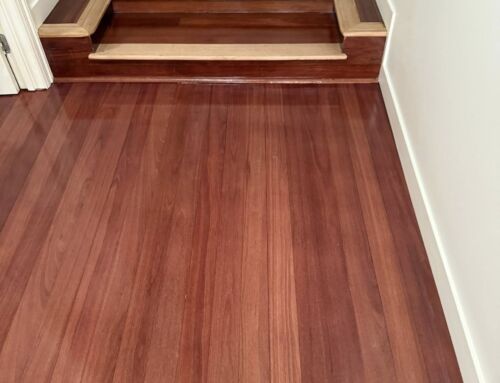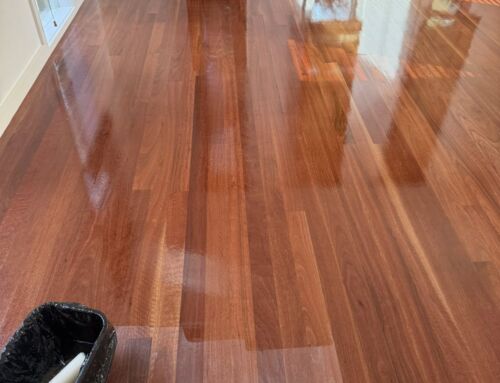
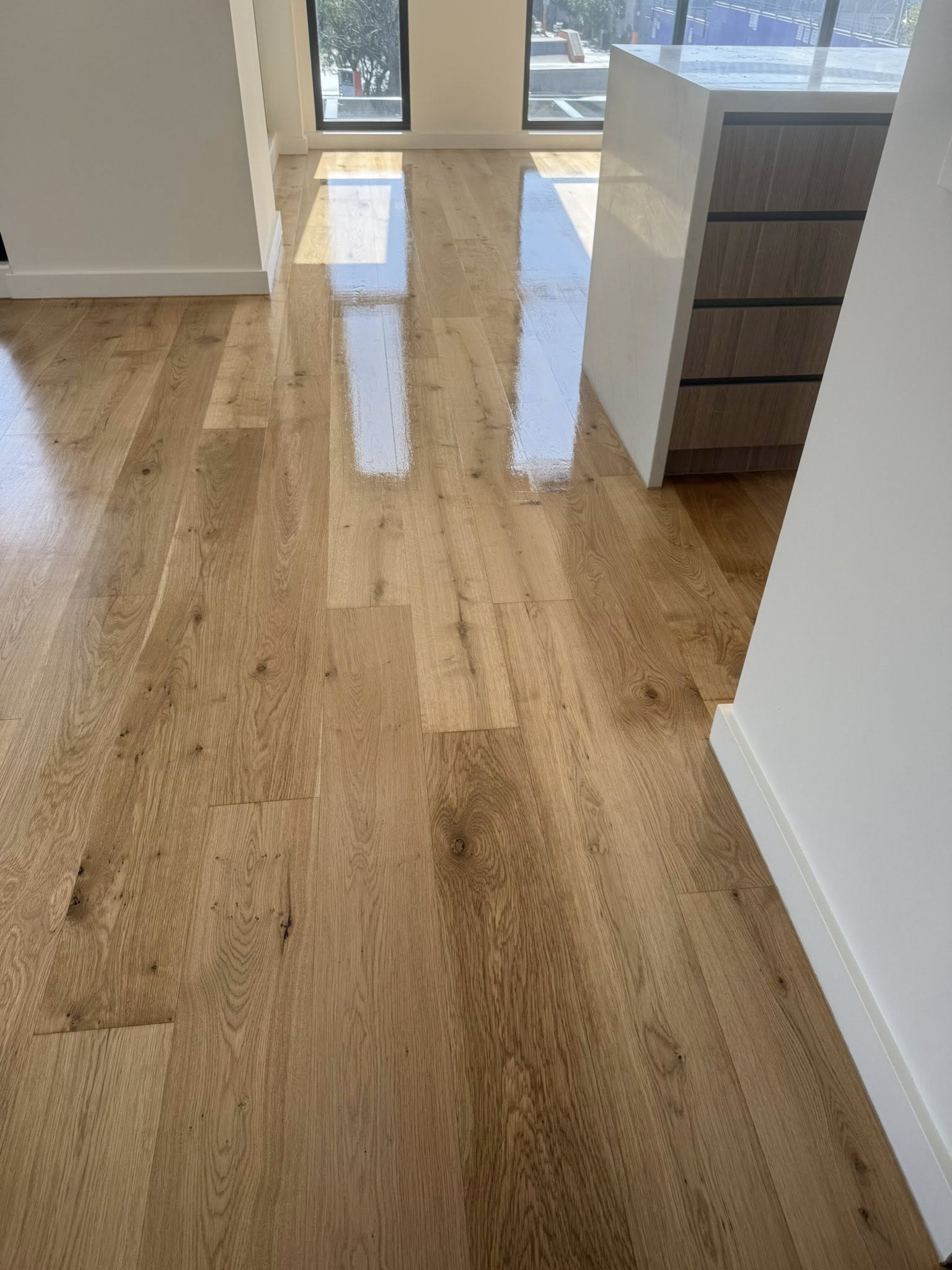
Wood floor sanding can turn dull timber into a clean, smooth feature with real value. Scratches, faded coatings, and uneven boards often make rooms feel older. This guide explains how Sherprise Flooring approaches sanding, polishing, coatings, timelines, and Melbourne service needs with practical detail.
Wood floor sanding basics
Wood floor sanding is a controlled restoration method for worn timber boards, not a quick cosmetic cover. It removes damaged surface layers, prepares the grain, and creates a clean base for polishing. Sherprise Flooring treats this stage as the foundation for a durable finish.
Why preparation matters
Wood floor sanding works best when the surface gets checked before any machine starts. Loose boards, exposed nails, gaps, cupping, water stains, and old adhesive can affect the result. A careful site review helps protect parquetry, hardwood, engineered timber, and heritage boards.
Signs sanding is needed
Wood floor sanding becomes useful when scratches stay visible after cleaning. A grey look near doorways, patchy shine under windows, or dark traffic lanes often show coating failure. In Melbourne homes, sunlight, pets, shoes, and moving furniture can speed up visible wear.
Finish and coating clues
Wood floor sanding may be needed when polish peels, flakes, or turns cloudy. The surface can also feel rough after mopping because the protective layer has broken down. Sherprise Flooring checks gloss level, stain depth, board condition, and coating compatibility before work begins.
The restoration process
Wood floor sanding usually follows a clear sequence from preparation to finishing. Furniture removal, edge protection, nail punching, gap checks, and dust control come first. The sanding stages often move from coarse grit to medium grit, then fine grit for a smoother profile.
Wood floor sanding process
Wood floor sanding normally starts with heavier abrasion to level worn areas. Edges, corners, and tight spaces need separate tools because large machines cannot reach them. After vacuuming, polishing and coating create the final look, from matte to satin or gloss.
Machines and grits
This restoration uses different equipment for different parts of the room. A drum sander can level larger open areas, while an edger reaches skirting lines. A buffer or orbital sander may refine the surface before the first coating layer.
Typical project timeline
A one or two room project often takes one to three working days. Larger areas, repairs, staining, humid weather, or extra coating layers can extend the timeline. Light foot traffic may suit the surface after 24 hours, with fuller curing later.
Melbourne service factors
Wood floor sanding in Melbourne needs attention to climate, property style, and timber type. Older Balwyn, Kew, Camberwell, Hawthorn, and inner suburb homes often include aged hardwood with character marks. Newer apartments may need low dust systems and careful access planning.
Moisture and movement
A moisture check should happen when boards show swelling, cupping, or dark joins. Timber expands and contracts with seasonal changes, so rushed coating can trap problems under the finish. Sherprise Flooring considers ventilation, subfloor conditions, and recent leaks before advising restoration.
Dust and disruption control
Wood floor sanding creates fine particles when old coating and timber fibres get removed. Modern equipment can reduce mess, yet full dust elimination remains unrealistic. Sherprise Flooring focuses on clean preparation, controlled sanding paths, careful vacuuming, and tidy finishing practices.
Choosing the right finish
Wood floor sanding sets the stage for a coating that suits daily use. Water based polyurethane can suit lower odour preferences and faster return times. Solvent based coatings may create a richer tone, while hardwax oil can offer a more natural appearance.
Colour and sheen decisions
Wood floor sanding reveals the raw timber colour before stain or clear coating. A test patch helps compare natural, walnut, oak, black, or custom stain effects. Matte hides minor marks better, satin balances practicality, and gloss creates a sharper reflective finish.
Polishing or replacement
Wood floor sanding can save many tired surfaces that still have enough timber thickness. Replacement is usually considered when boards are rotten, unstable, too thin, or badly damaged. A professional inspection helps separate cosmetic wear from structural concerns.
Keeping original character
Careful restoration can preserve the natural grain, knots, and age marks that make timber distinctive. Many Melbourne period homes look better when original boards stay in place. Sherprise Flooring aims for a renewed surface without removing the character that belongs to the property.
Cost and value factors
Wood floor sanding costs vary because every property has different access, size, repairs, finish choice, and board condition. A small bedroom differs from an open living zone with stairs and edge detail. Transparent quotes should explain preparation, coating system, and expected timeline.
What affects pricing
Wood floor sanding pricing can change with stain removal, carpet glue, deep scratches, cupped boards, or old varnish. Extra repair work may include board replacement, nail setting, gap filling, or damaged edge correction. Clear scope reduces surprises before work starts.
Safety and durability
Wood floor sanding also supports a safer walking surface when old coatings become slippery or uneven. The right finish improves traction, seals exposed timber, and helps reduce moisture absorption. Good ventilation during coating also supports a cleaner indoor environment.
Results worth expecting
A realistic result should improve appearance, feel, and protection, but natural timber still keeps character. Deep pet stains, borer marks, and historic water damage may not disappear fully. Sherprise Flooring explains realistic outcomes before polishing starts.
Care after sanding
Wood floor sanding delivers stronger results when aftercare starts early. Felt pads, clean mats, gentle sweeping, and pH neutral cleaners help protect the coating. Heavy furniture should move carefully, and rugs should wait until coatings have cured properly.
Long term maintenance
Wood floor sanding should not become a yearly task. With correct maintenance, polished timber can keep a neat appearance for many years. Sherprise Flooring recommends routine cleaning, fast spill response, and early advice when dull traffic lanes first appear.
Final words
Wood floor sanding gives worn timber a cleaner surface, stronger protection, and renewed appeal. The best result comes from inspection, proper sanding stages, suitable coatings, and careful aftercare. Sherprise Flooring can assess Melbourne surfaces and recommend a practical next step.
Sherprise Floor Sanding & Polishing Melbourne
📍 Address: 71 Rochester Road, Balwyn, VIC 3103
🌐Website: https://sherpriseflooring.com.au/
📞Phone: 0401851598
✉️ Email: sherpriseflooring@gmail.com